




Letstrack IoT Telemetry Commercial
Commercial Vehicle GPS Tracking, CAN-Bus Fuel Monitoring & Intelligent Geo-Fencing Platform
A proposed fleet intelligence platform combining GPS tracking, vehicle telemetry, fuel analytics, geo-fencing and operational reporting.
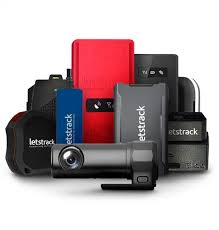
Proposed reference architecture. Outcomes are not verified Letstrack deployment results.
Real-time intelligence for commercial fleets
Commercial transportation businesses need accurate, real-time information about vehicle locations, fuel consumption, driver behaviour and fleet performance. Monitoring hundreds or thousands of vehicles across routes and operating locations calls for connected telematics that can collect, process and analyse vehicle data continuously.
This case study presents a proposed enterprise IoT telemetry architecture inspired by vehicle tracking platforms such as Letstrack. It combines GPS tracking, CAN-Bus data acquisition, fuel monitoring, geo-fencing and fleet analytics in a centralized fleet intelligence platform.
The architecture is designed to improve vehicle visibility, fuel accountability, operational alerts and data-informed fleet management. It is a proposed reference architecture, not a verified Letstrack deployment.
The challenges of connected fleet operations
Real-time vehicle visibility
Monitor vehicle location, identify delays and coordinate transportation activities.
Fuel consumption monitoring
Find unusual consumption patterns, refuelling discrepancies and possible fuel wastage.
Vehicle data integration
Collect engine, fuel and diagnostic data through compatible hardware and vehicle protocols.
Route deviation and unauthorized movement
Identify vehicles leaving approved routes, entering restricted areas or operating outside schedules.
Driver behaviour monitoring
Understand harsh braking, rapid acceleration and excessive idling that can affect safety and efficiency.
Fragmented fleet reporting
Bring location, fuel, maintenance and driver activity together for operational visibility.
Proposed IoT telematics technology
Connected vehicle data, geospatial services and fleet analytics support operational monitoring.
Real-Time GPS Vehicle Tracking Engine
Collect and process location data from connected GPS devices.
- Live vehicle location monitoring.
- GPS coordinate processing.
- Movement history, speed and heading.
- Trip start and end detection.
- Ignition status where supported.
- Route playback and estimated arrival information.
- Vehicle inactivity alerts.
- Location-based fleet visualisation.
Telemetry depends on compatible GPS hardware and communication protocols.
CAN-Bus Vehicle Telemetry Integration
Collect available vehicle and engine information through supported CAN-Bus interfaces.
- Engine parameters, speed and RPM.
- Engine temperature where available.
- Fuel-related telemetry.
- Ignition and operating status.
- Diagnostic trouble codes.
- Vehicle health indicators.
- Vehicle-wise telemetry history.
Data availability depends on vehicle make, model, year, ECU configuration, protocols and authorized hardware access.
Intelligent Fuel Monitoring Engine
Analyse fuel telemetry and flag events for investigation.
- Fuel level monitoring.
- Consumption analysis and refuelling detection.
- Sudden fuel-level drop alerts.
- Vehicle- and trip-wise fuel reports.
- Idle-time fuel analysis.
- Mileage and efficiency calculations.
- Fuel expense reconciliation.
- Historical consumption trends.
Fuel monitoring may use supported CAN-Bus signals, calibrated sensors or compatible devices. Fuel-theft alerts indicate potential anomalies, not definitive proof.
Geo-Fencing & Route Monitoring Engine
Monitor vehicle movement against configured geographic boundaries.
- Circular and polygon geo-fences.
- Depot and warehouse boundaries.
- Entry and exit alerts.
- Restricted-zone and route-deviation monitoring.
- Unauthorized movement alerts.
- Vehicle stop-duration monitoring.
- Location notifications and historical event reports.
Driver Behaviour & Fleet Safety Analytics
Evaluate driving patterns and provide fleet operators with configurable indicators.
- Harsh braking and rapid acceleration detection.
- Overspeeding alerts.
- Excessive idling analysis.
- Driver-wise performance reports.
- Trip safety scoring.
- Driving pattern analysis.
- Vehicle utilization reporting.
- Fleet safety dashboards.
Indicators depend on GPS and supported vehicle telemetry; thresholds should reflect vehicle type and operating needs.
Predictive Maintenance & Vehicle Health Monitoring
Use validated vehicle data to support proactive service planning.
- Engine diagnostic alerts and vehicle health indicators.
- Maintenance schedules and odometer-based reminders.
- Engine operating trend analysis.
- Diagnostic trouble code history.
- Vehicle downtime and maintenance cost reporting.
- Fleet health dashboards.
Recommendations should be reviewed by qualified maintenance personnel before operational decisions.
Interfaces for fleet stakeholders
The proposed platform connects fleet owners, managers, drivers, device teams and administrators.
Fleet Owner Web Dashboard
- Live tracking and fleet location overview.
- Fuel consumption analytics.
- Geo-fence configuration.
- Vehicle utilization reports.
- Driver performance monitoring.
Fleet Manager Mobile Application
- Live vehicle location and movement history.
- Fuel and route alerts.
- Driver and vehicle information.
- Fleet performance summaries.
Driver Mobile Application
- Driver login and profile.
- Assigned vehicle, trip and route details.
- Driving activity records.
- Vehicle inspection checklists.
- Maintenance and operational notifications.
IoT Device Management Portal
- GPS device registration and vehicle mapping.
- Connectivity monitoring.
- Telemetry configuration and communication status.
- Firmware and configuration management where supported.
Fuel & Maintenance Management Portal
- Fuel consumption and refuelling reports.
- Vehicle-wise mileage.
- Maintenance schedules and service records.
- Expense reporting.
Enterprise Admin Panel
- Company, fleet, vehicle and driver management.
- User permissions and geo-fence configuration.
- Alert rules and API integrations.
- Audit logs and system administration.
From vehicle telemetry to fleet action
The proposed platform processes device events into operational views and notifications.
End-to-end telemetry
- GPS, CAN-Bus telematics hardware and supported fuel sensors collect vehicle information.
- Device communicates through an authenticated IoT gateway.
- Telemetry ingestion services receive events over supported MQTT, TCP or HTTPS protocols.
- Data is validated and processed by GPS, CAN-Bus and fuel analytics services.
- Geo-fence, route monitoring and driver behaviour services evaluate relevant events.
- Event and notification services deliver alerts to dashboards and mobile applications.
- Time-series, operational and geospatial databases retain records for reports and analysis.
Fuel monitoring
Fuel telemetry → normalization → refuelling/consumption event detection → anomaly analysis → fleet alert → report and reconciliation.
Geo-fencing
GPS coordinates → boundary validation → entry/exit detection → rule evaluation → alert → dashboard update.
Proposed IoT telemetry architecture
Vehicle devices, ingestion services, analytics and fleet applications form a connected data path.
GPS Devices + CAN-Bus Hardware + Fuel Sensors
Collect supported location and vehicle signals.
IoT Gateway & Device Authentication
Authenticate devices and secure communications.
Telemetry Ingestion: MQTT / TCP / HTTPS
Receive events from supported telematics equipment.
GPS Processing + CAN-Bus Decoder + Fuel Analytics
Validate and interpret location, vehicle and fuel data.
Geo-Fencing + Route Monitoring + Driver Behaviour
Apply geospatial and operational rules to telemetry.
Event Streaming & Notification Services
Route events and alerts to operational interfaces.
Time-Series + Operational + Geospatial Databases
Store telemetry and fleet records for query and analysis.
Fleet Dashboard + Mobile Apps + Analytics APIs
Present fleet status and reports to authorized users.
Supporting infrastructure
- Frontend: React.js.
- Mobile applications: Flutter or React Native.
- Backend: .NET, Node.js or Laravel-based microservices.
- Database: PostgreSQL / MySQL; geospatial data with PostGIS.
- Time-series storage: TimescaleDB or equivalent.
- Redis caching, MQTT messaging and Apache Kafka event streaming.
- AWS infrastructure, Google Maps Platform and supported device protocols.
- Centralized logs, device health monitoring and infrastructure metrics.
- TLS, device authentication, role-based access and audit logging.
Expected fleet intelligence outcomes
The proposed platform is designed to support:
Improved fleet visibility
Centralize real-time monitoring of vehicles and transportation operations.
Better fuel accountability
Provide vehicle-wise consumption reports and anomaly identification.
Enhanced route control
Use geo-fence alerts and route-deviation monitoring.
Improved driver safety visibility
Expose driving behaviour and operational risk indicators.
Proactive maintenance support
Make diagnostic information and maintenance trends more accessible.
Reduced manual reporting
Automate collection and processing of vehicle telemetry.
Operational transparency
Consolidate fleet location, fuel and vehicle health information.
Scalable IoT infrastructure
Support adding vehicles, devices and telemetry sources.
These are intended capabilities and potential outcomes, not verified Letstrack deployment results or measured business improvements.
Technology capabilities
- Web applications · React.js
- Mobile applications · Flutter / React Native
- Backend development · .NET / Node.js / Laravel
- Database · PostgreSQL / MySQL
- Geospatial database · PostGIS
- Time-series storage · TimescaleDB
- Caching · Redis
- IoT messaging · MQTT
- Event streaming · Apache Kafka
- Cloud infrastructure · AWS
- Vehicle integration · CAN-Bus and supported telematics APIs
- GPS tracking · GPS / GNSS devices
- Maps & location · Google Maps API
- Analytics · Python / Power BI
- Notifications · SMS, WhatsApp and push notifications
Scalability, reliability & security
High-volume telemetry requires secure device identity, resilient ingestion and data-quality controls.
- Horizontally scalable telemetry ingestion services.
- Device-level authentication and identity management.
- Secure communications between devices and cloud infrastructure.
- High-throughput event processing.
- Telemetry timestamp validation and duplicate event detection.
- Offline device buffering and controlled synchronization.
- Device connectivity and heartbeat monitoring.
- Time-series partitioning and retention policies.
- Geospatial indexing for efficient location queries.
- Role-based access, audit trails and encryption.
- Automated backups, disaster recovery and load testing.
- Monitoring for device failures and processing delays.
Fuel and engine analytics must account for sensor calibration, missing telemetry, vehicle-specific formats and differences between estimated and measured values.
Why I-Softinc?
I-Softinc provides enterprise software engineering for businesses building connected IoT, vehicle tracking and fleet intelligence platforms.
- Commercial vehicle GPS tracking software.
- IoT telemetry platform development.
- CAN-Bus and vehicle data integration.
- Fuel monitoring, geo-fencing and route monitoring.
- Fleet management applications and driver behaviour analytics.
- Predictive maintenance platforms.
- High-throughput backend engineering.
- Cloud infrastructure, API integrations and real-time reporting.
We build connected systems that turn vehicle data into actionable operational intelligence.
More case studies

Mswipe POS Terminal Software
Cloud POS Merchant Billing, QR Stand Integration & Settlement Ledger

Medanta Patient Care App
OPD Appointment Scheduling, Emergency Ambulance Dispatch & Digital Test Report Delivery
Max Healthcare Portal
Multi-Specialty Doctor Slotting, IPD Billing Sync & Tele-Consultation Engine